listening, teaching, and exchange in Catania
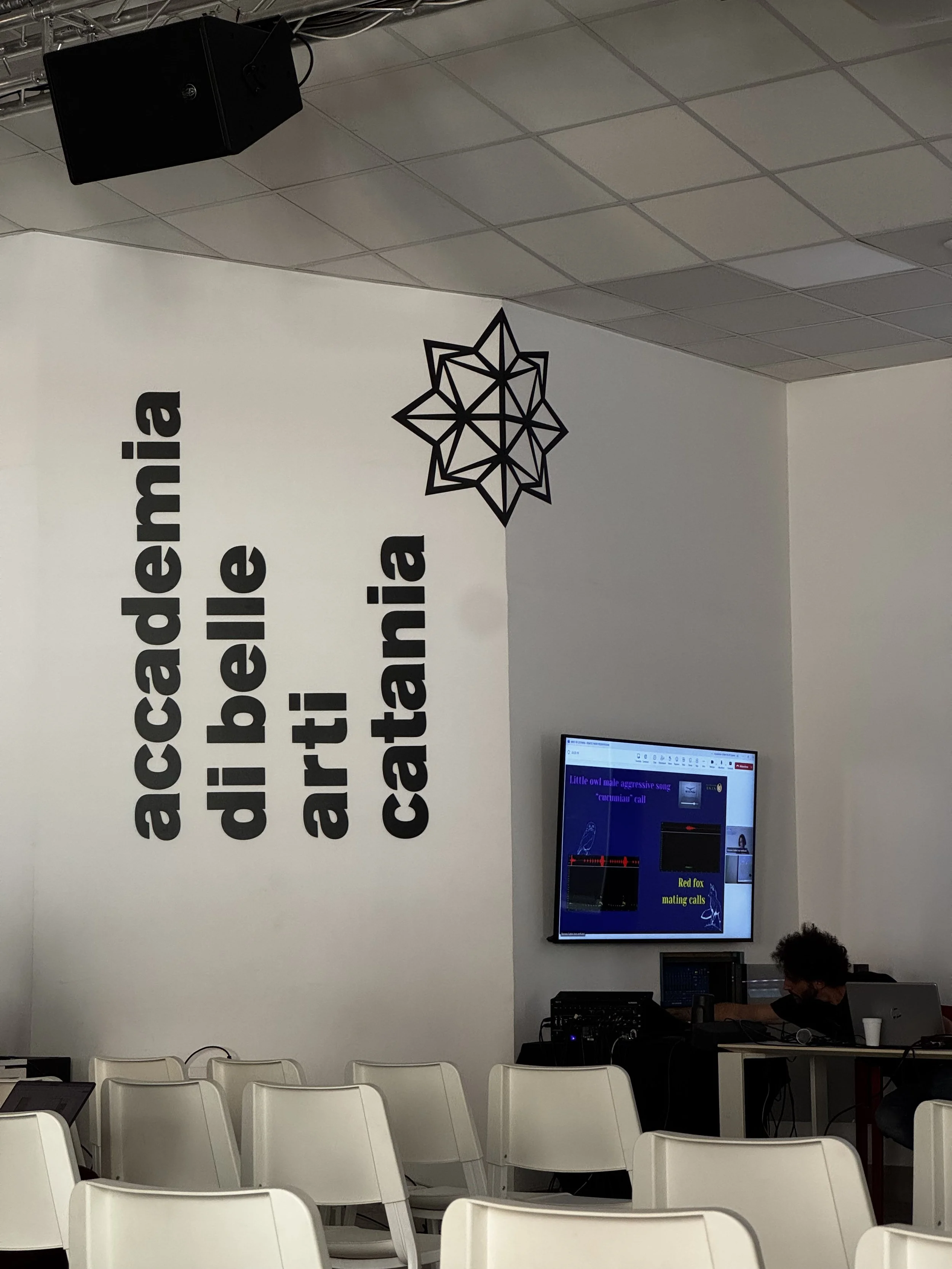
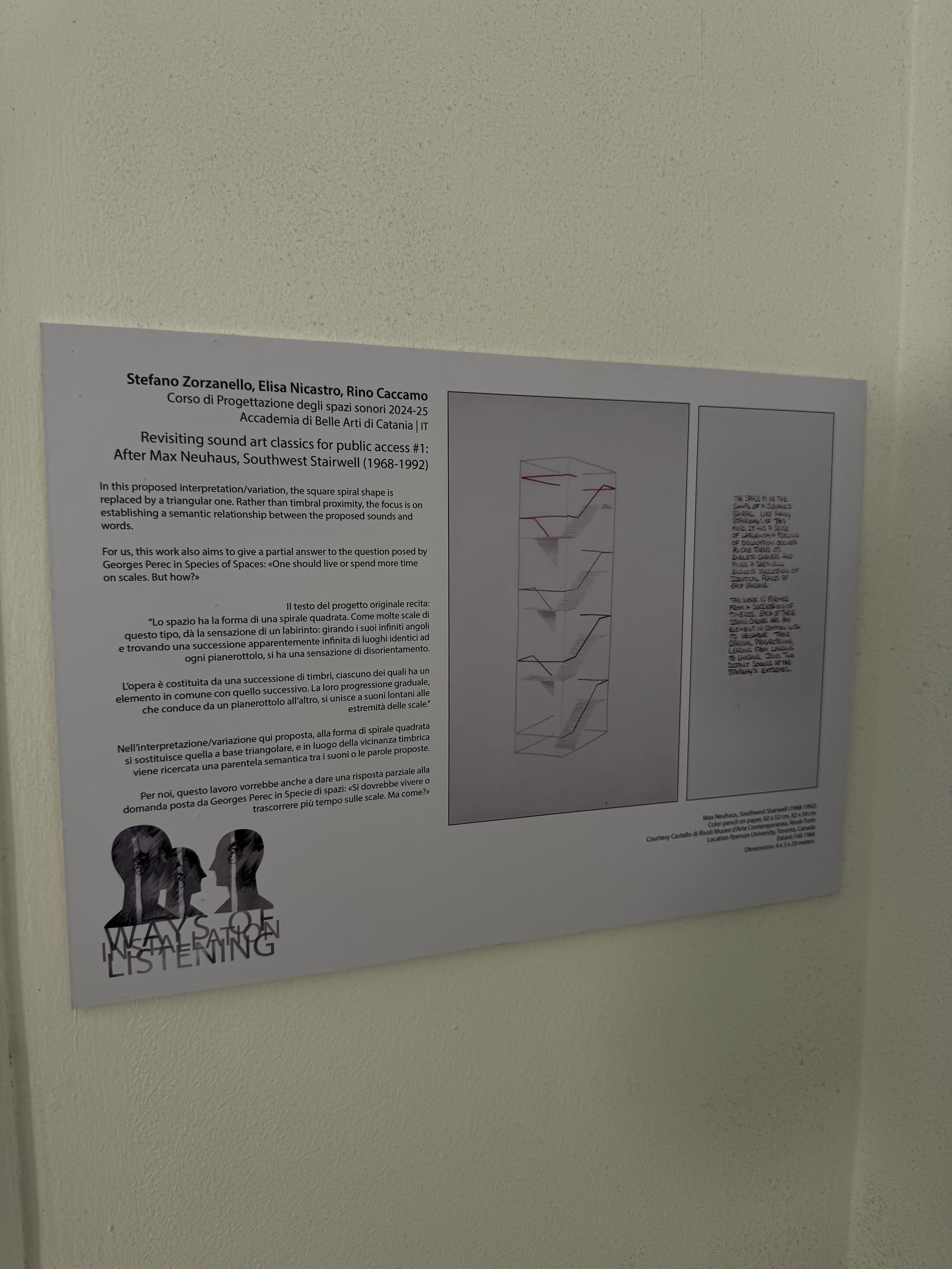
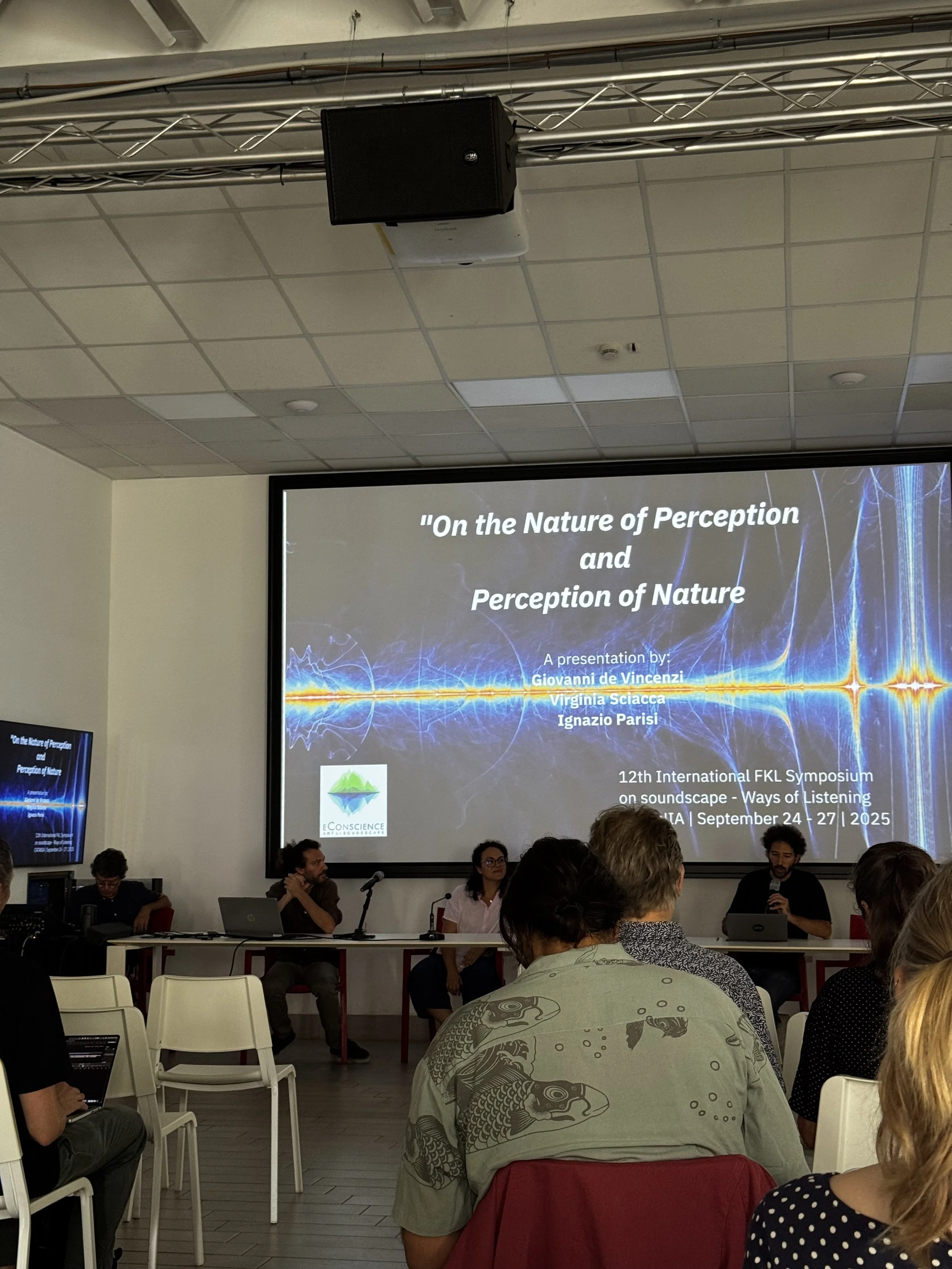
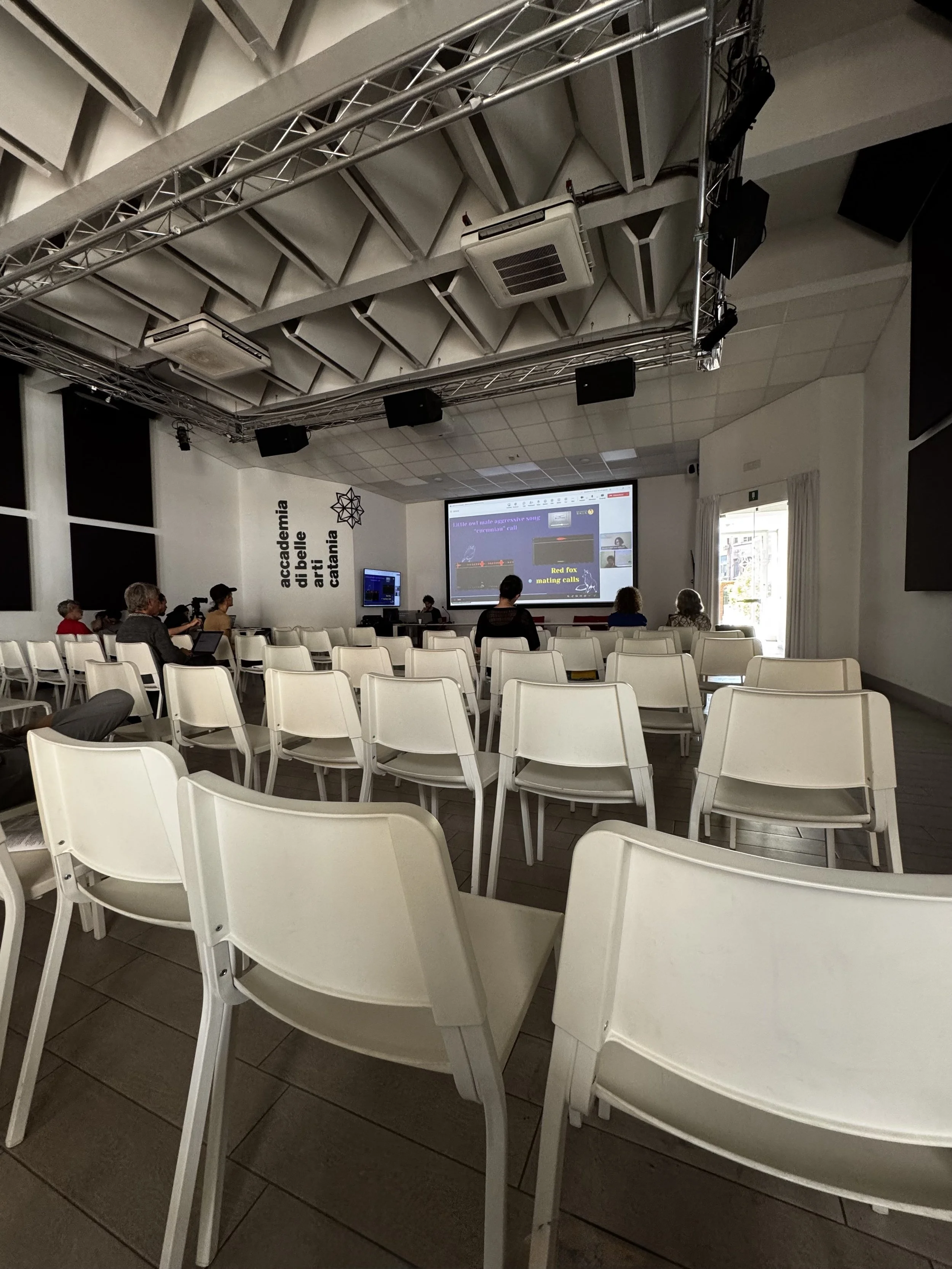
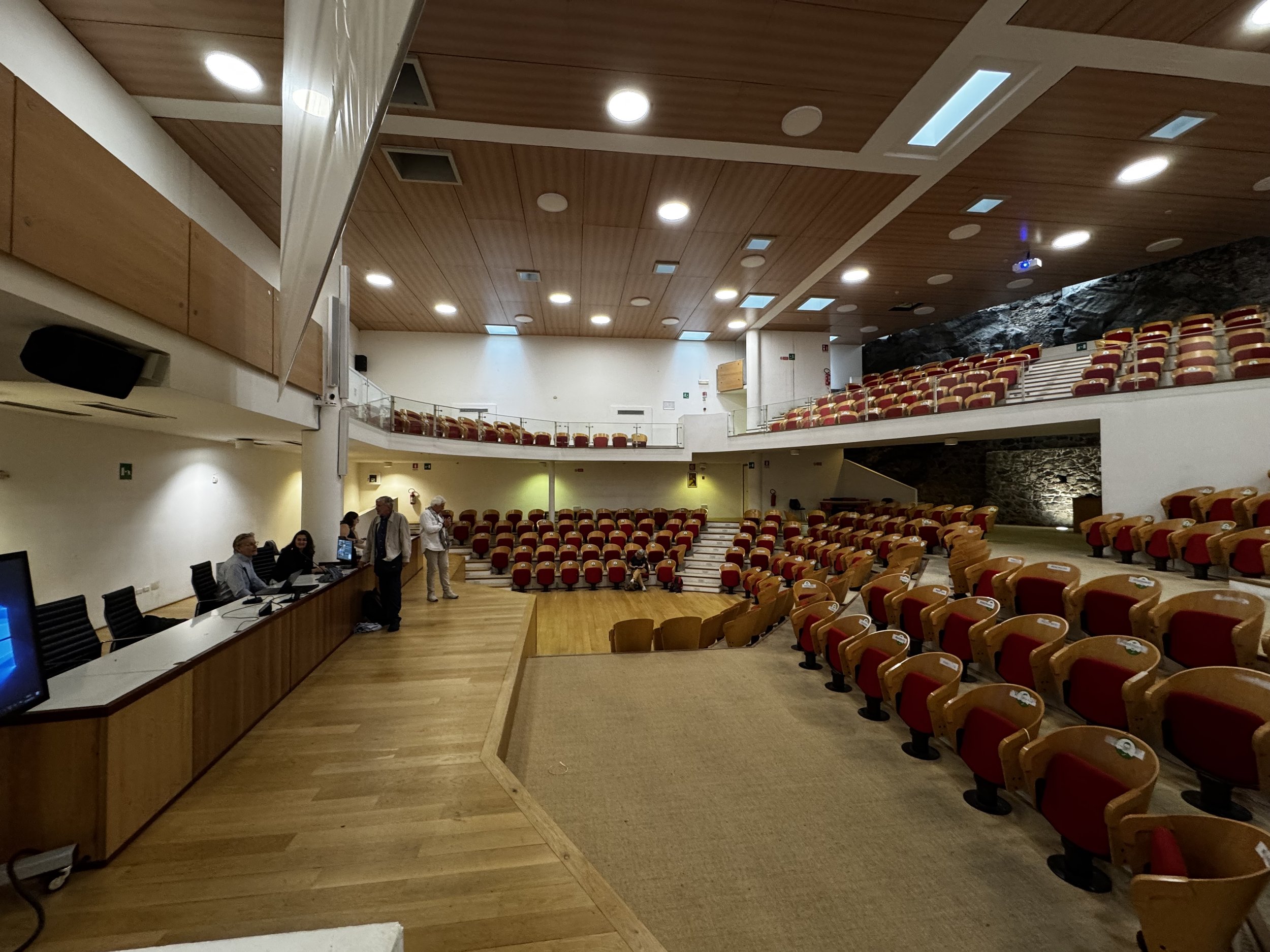
in september 2025, i began a short residency in catania, sicily, anchored by an invitation to participate in the FKL “Ways of Listening” Symposium, held from September 24–27 at both the Accademia di Belle Arti di Catania and the Università di Catania.
the symposium brought together scholars, artists, and practitioners working across sound studies, critical listening, and media practice. i delivered a conference paper titled teaching sonic citizenship: listening as a civic disposition, which explored listening not only as an analytical skill, but as a public and ethical orientation shaped through pedagogy.
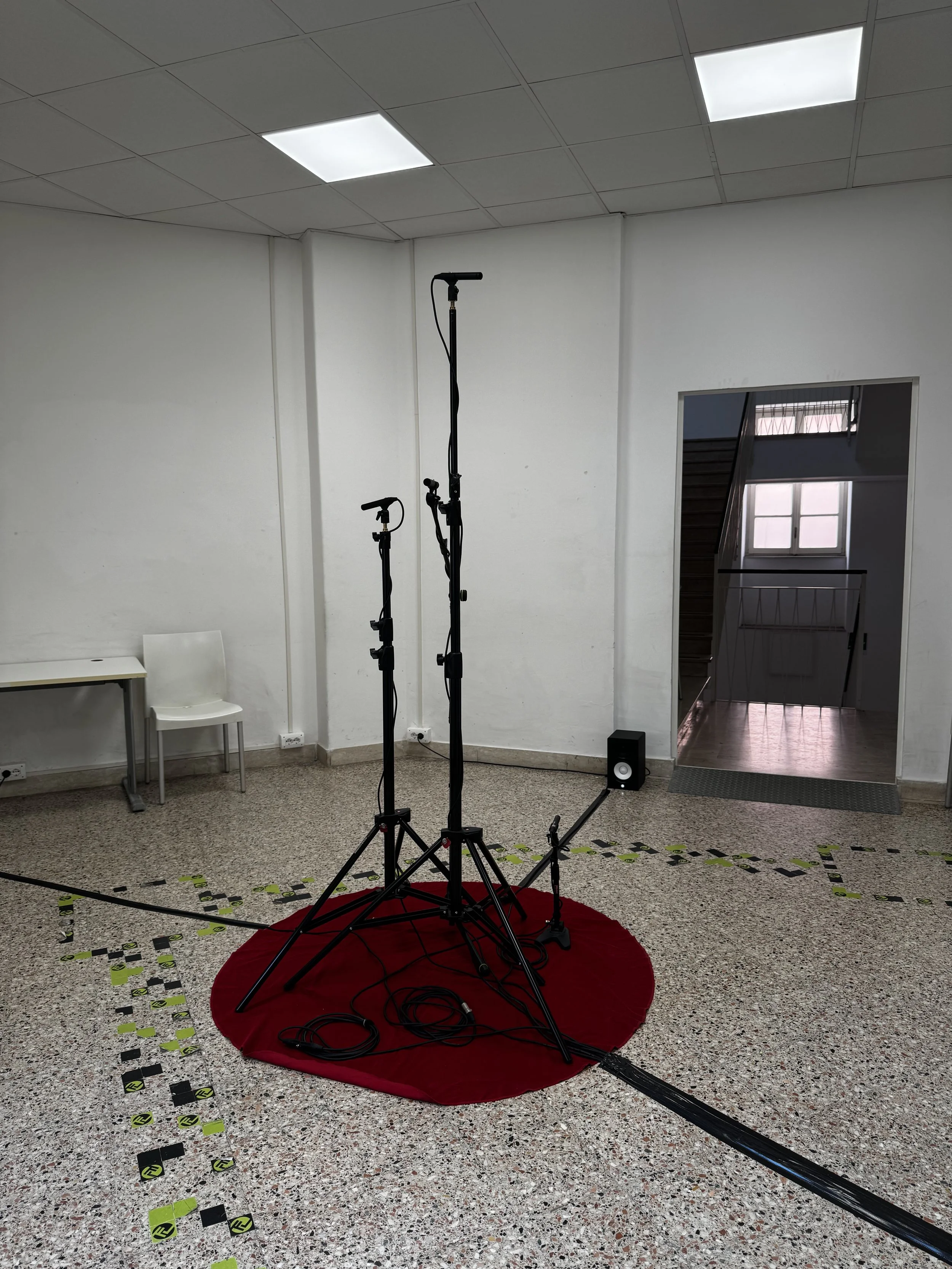
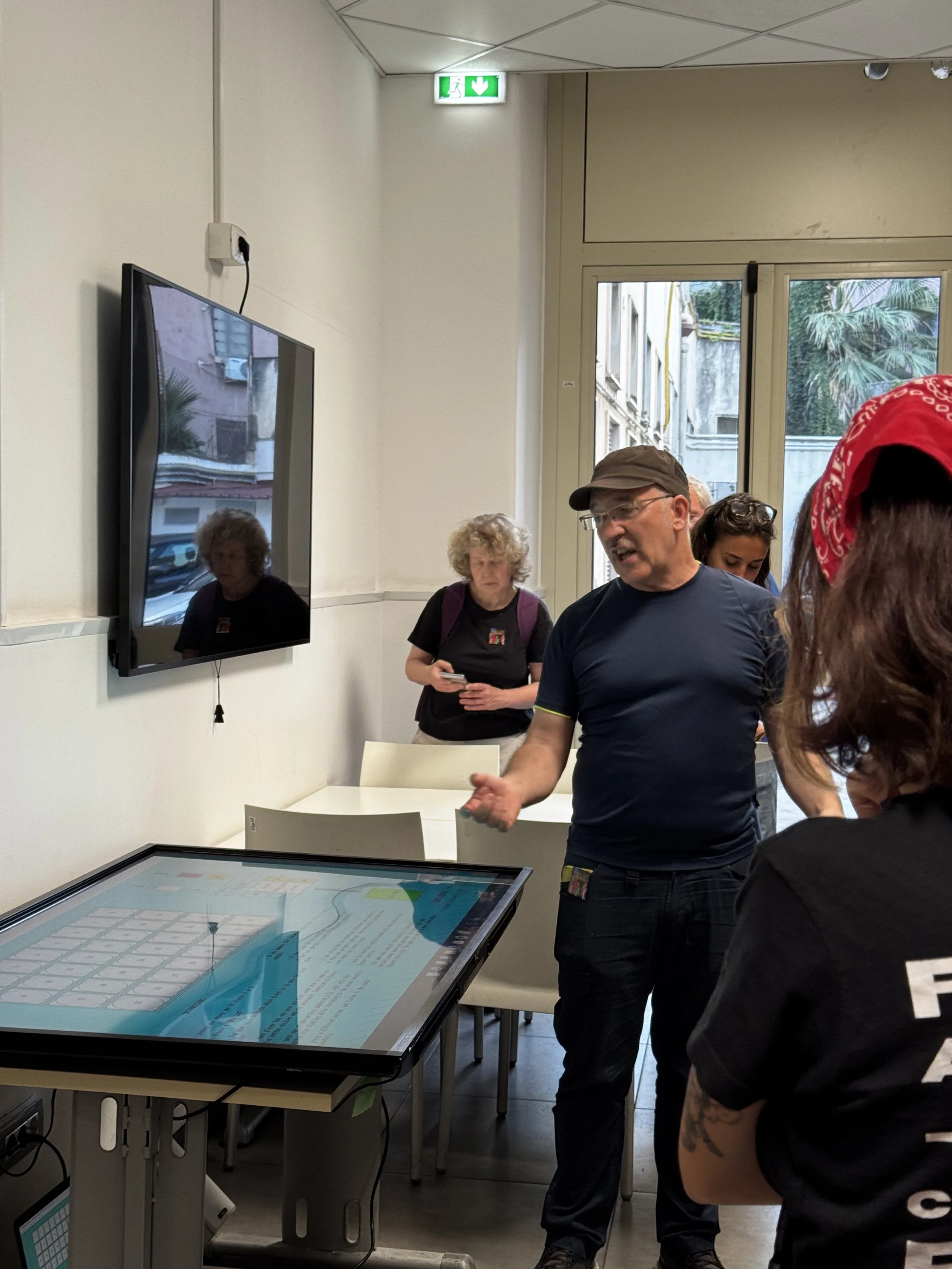
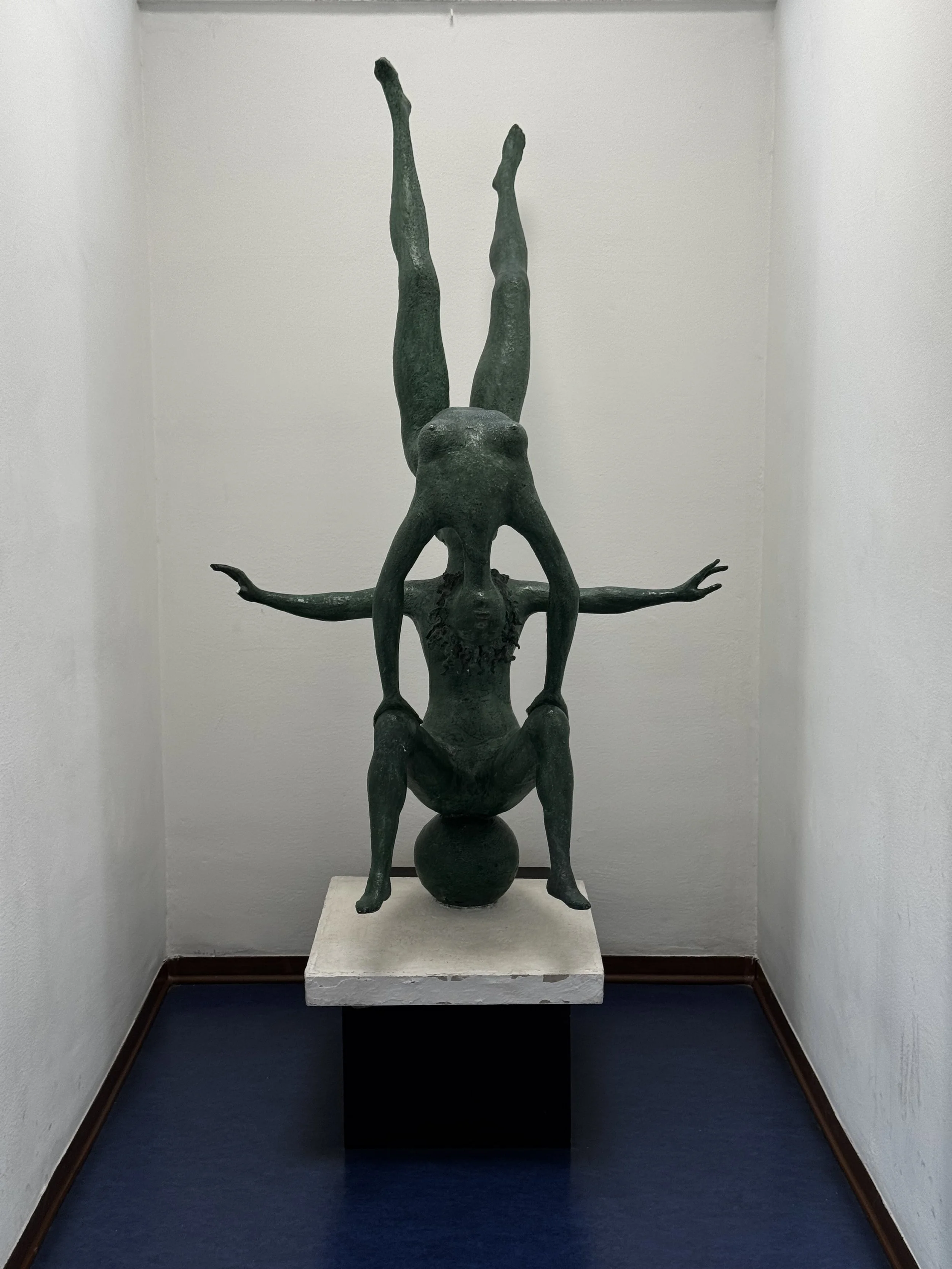
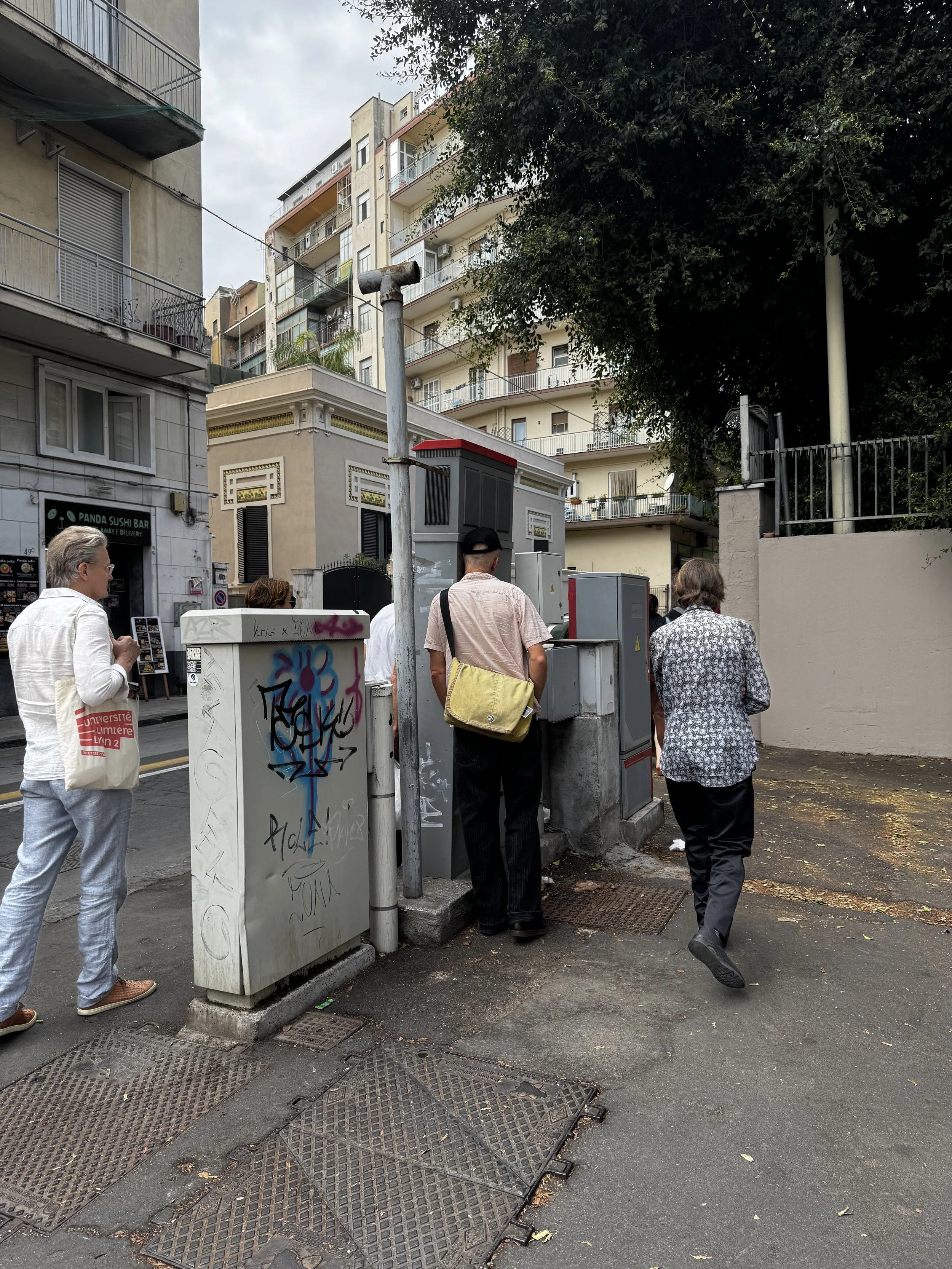
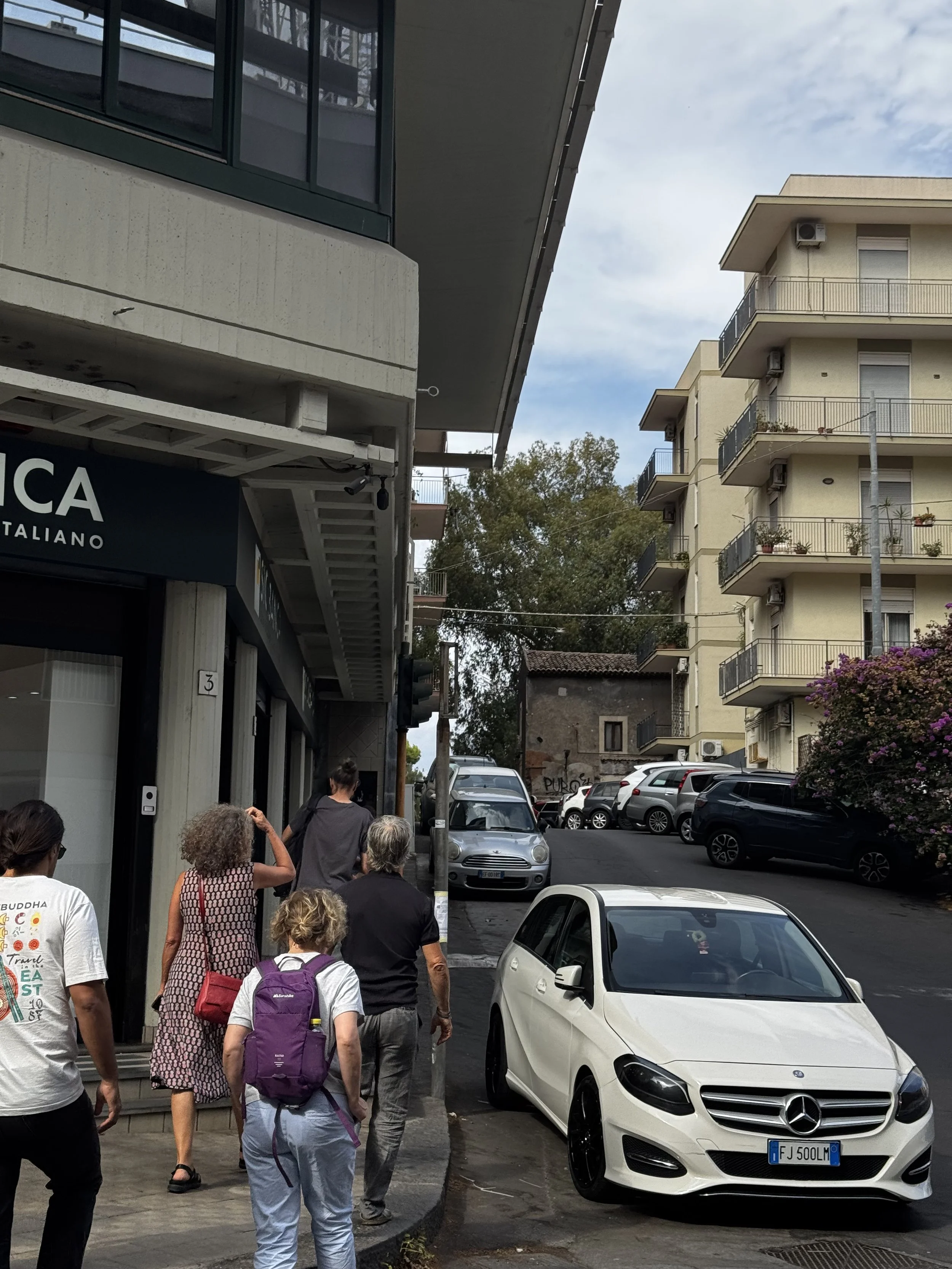
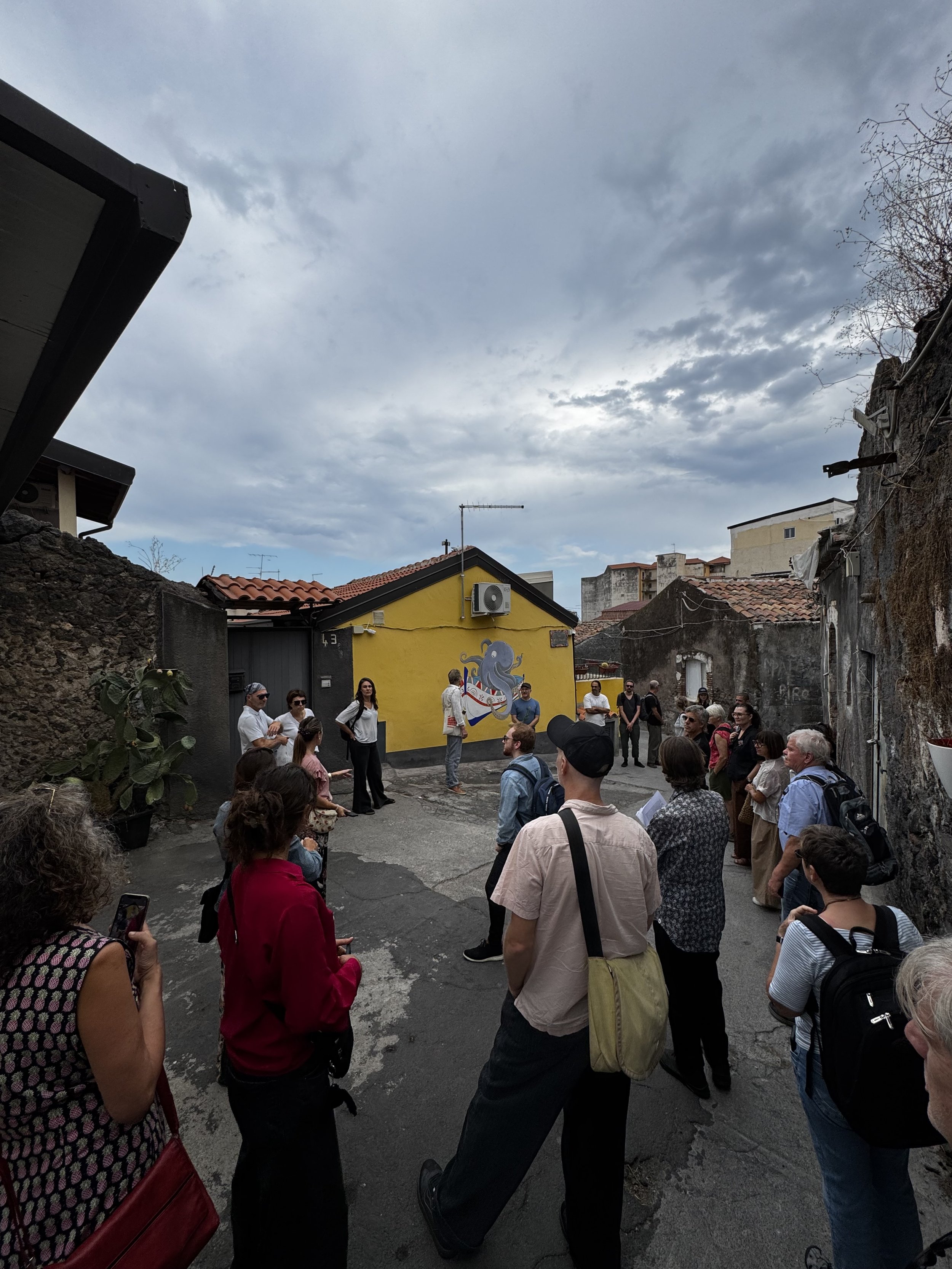
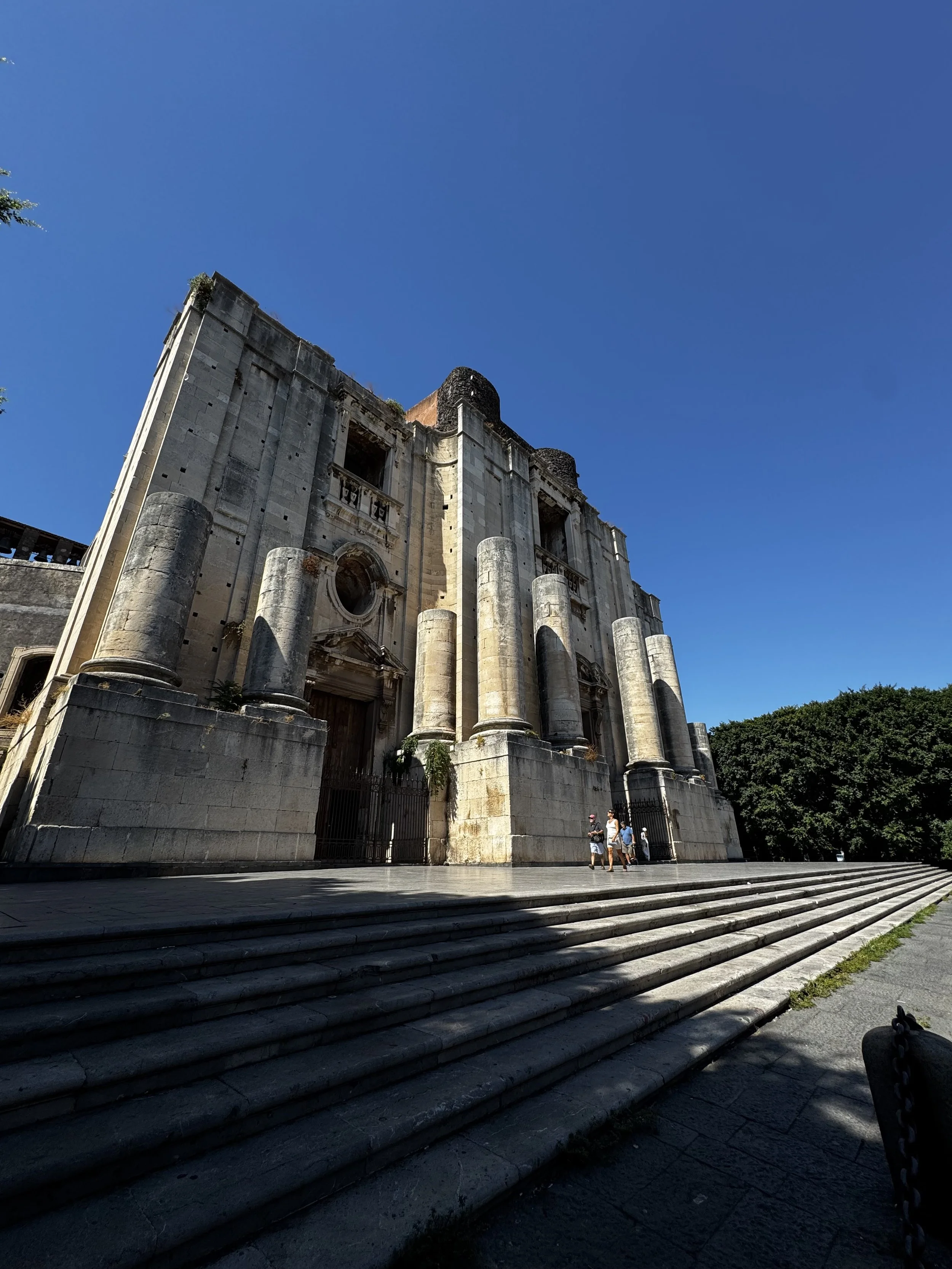
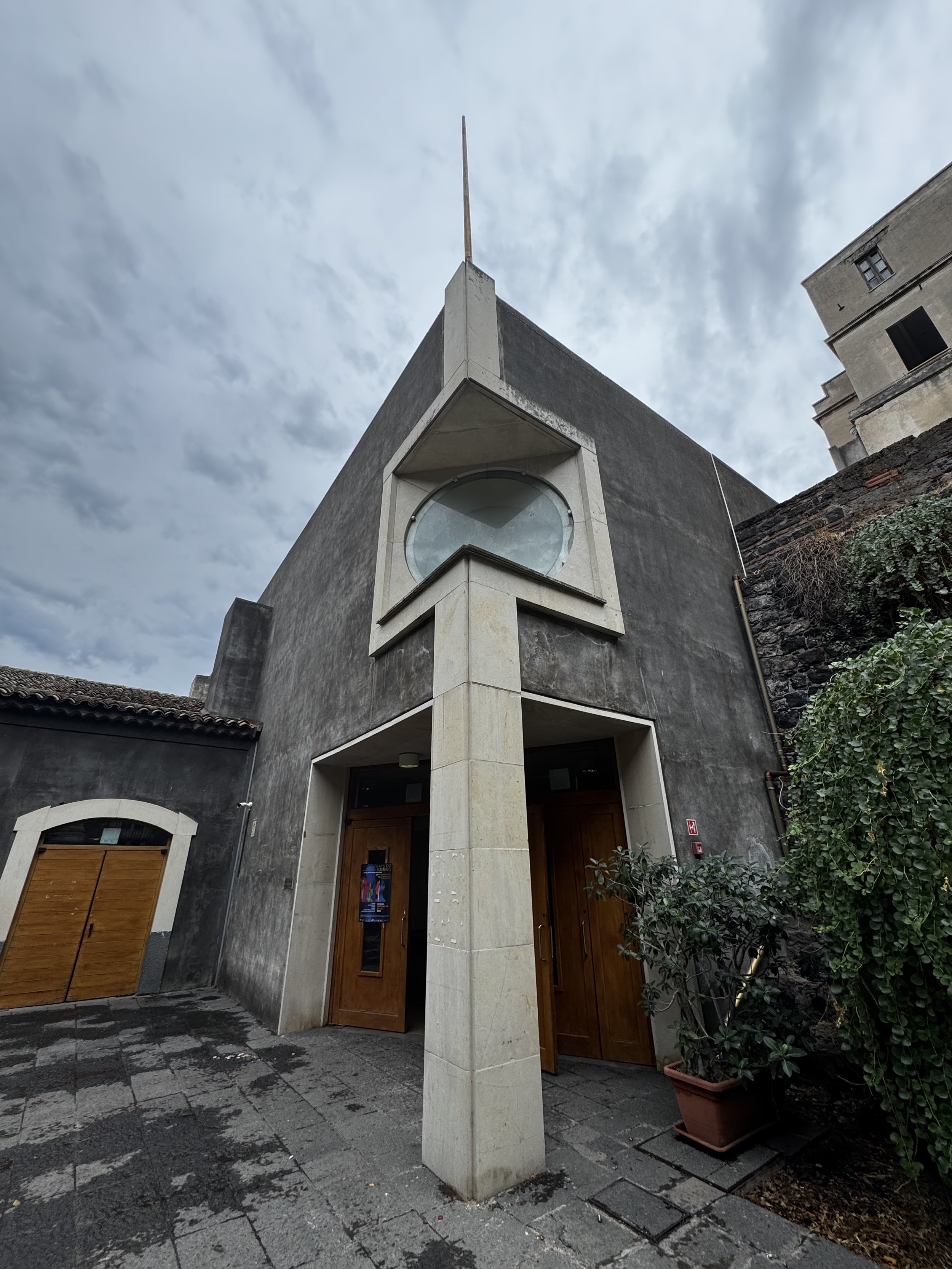
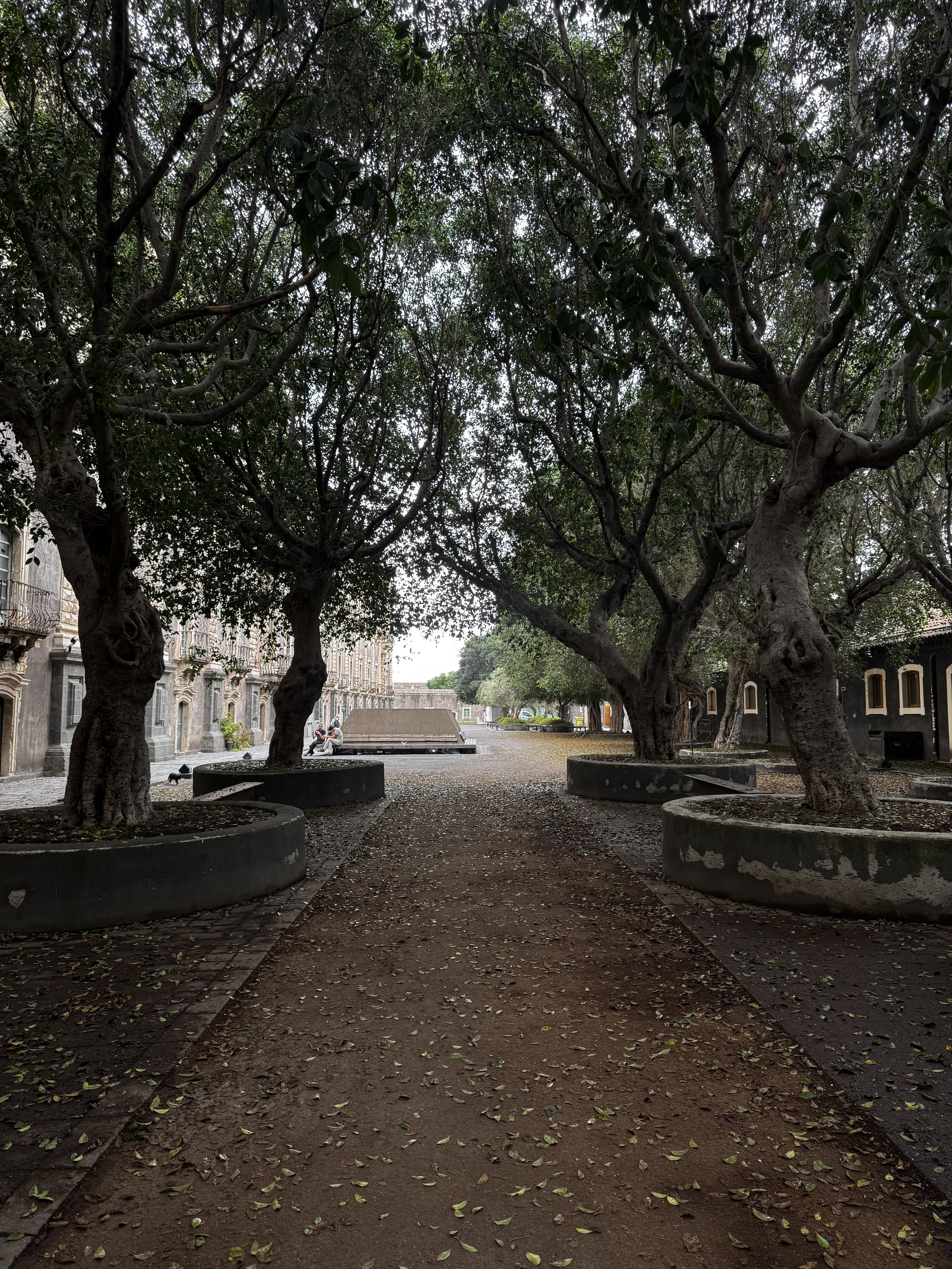
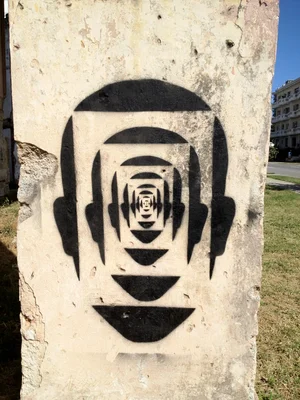
one of the highlights of the symposium was a collective soundwalk through the city: an experience that foregrounded catania’s layered acoustic environments and set the tone for conversations about place, culture, and embodied listening that carried through the week (see images below).
throughout my stay, i established a working relationship with host Stefano Zorzanello, an audio media professor at the Accademia di Belle Arti di Catania. this connection led to a series of productive discussions with both students and faculty about sound pedagogy, media practice, and teaching across institutional contexts.
i concluded my time in catania in late october, with an invited lecture for students in an upper-division audio media course delivered by prof. Zorzanello. titled the critical ear: listening, language, and sonic citizenship, the talk extended themes from the symposium and opened a broader discussion about how listening functions as both a creative practice and a civic responsibility within media education.
overall, the residency was a generative experience: it offered opportunities to reconnect with long-standing colleagues in the field, meet new students and collaborators, and begin conversations about future exchanges between Carleton University, the Accademia di Belle Arti di Catania, and the Università di Catania.